





通过设计使性能最大化
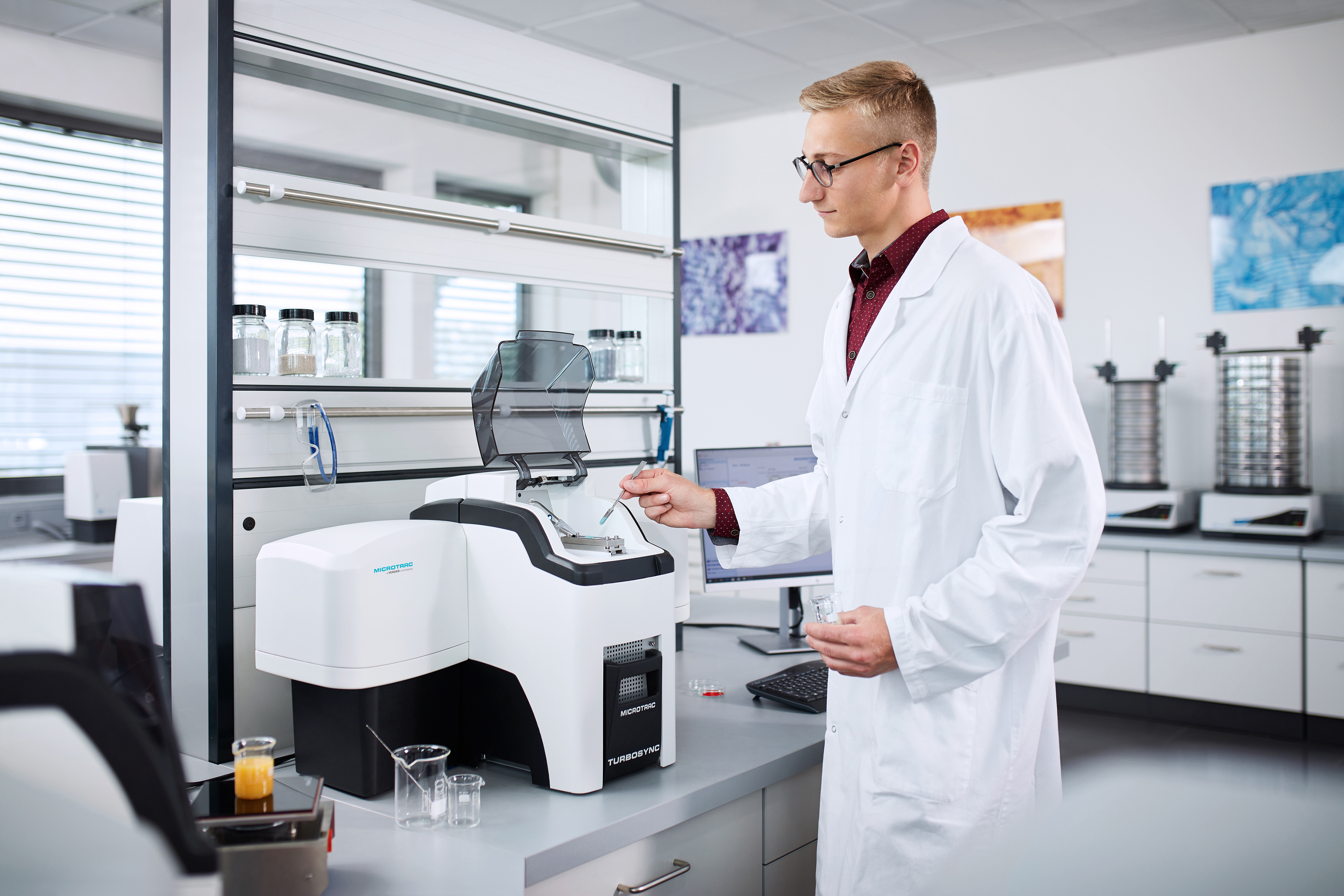
在制药、食品、涂料、个人护理和先进制造等行业,了解颗粒特性对于确保现实适用性至关重要。材料可以存在很大差异 — — 大或小、球形或不规则、分散或聚集 — — 测量要求和方法也是如此。
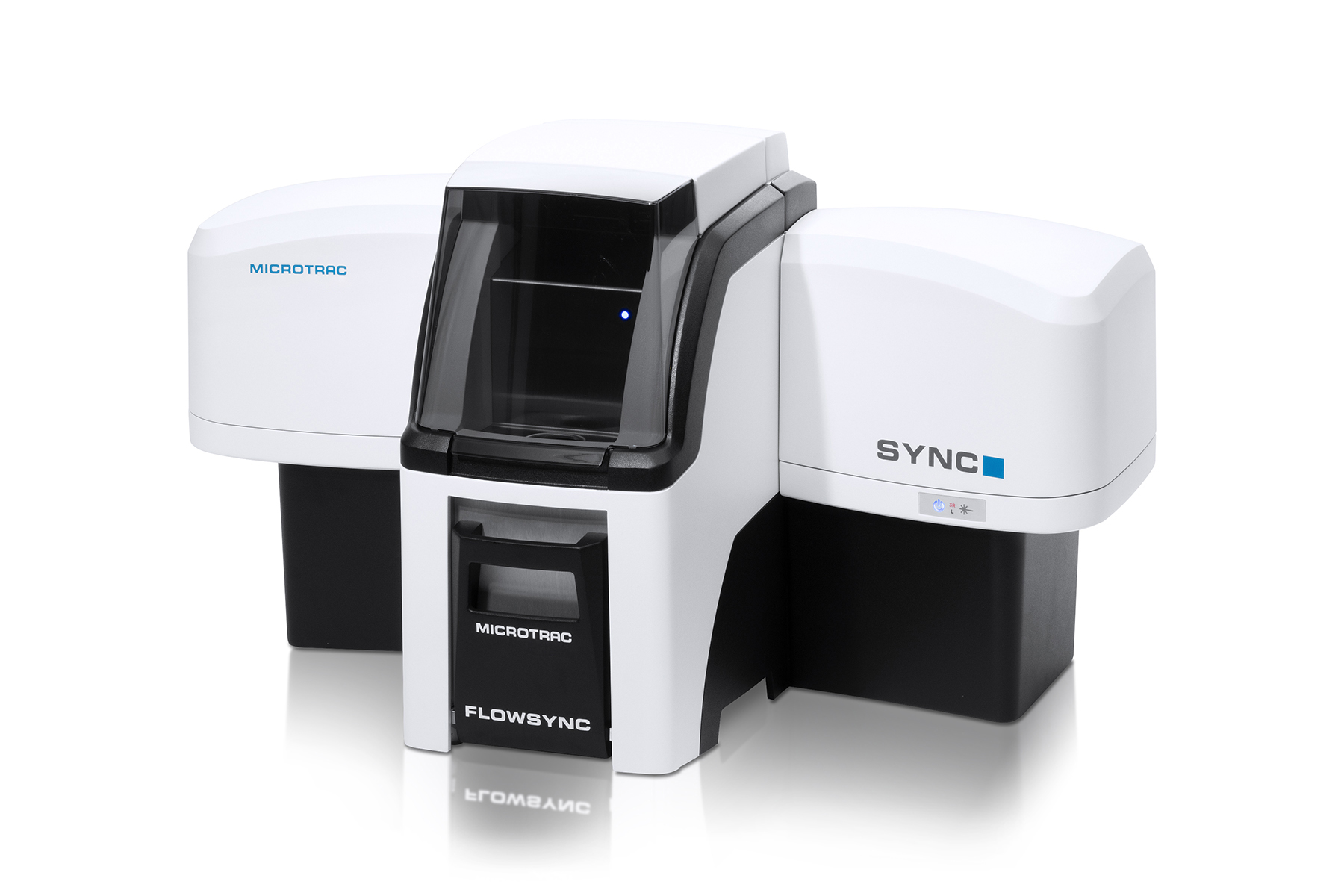
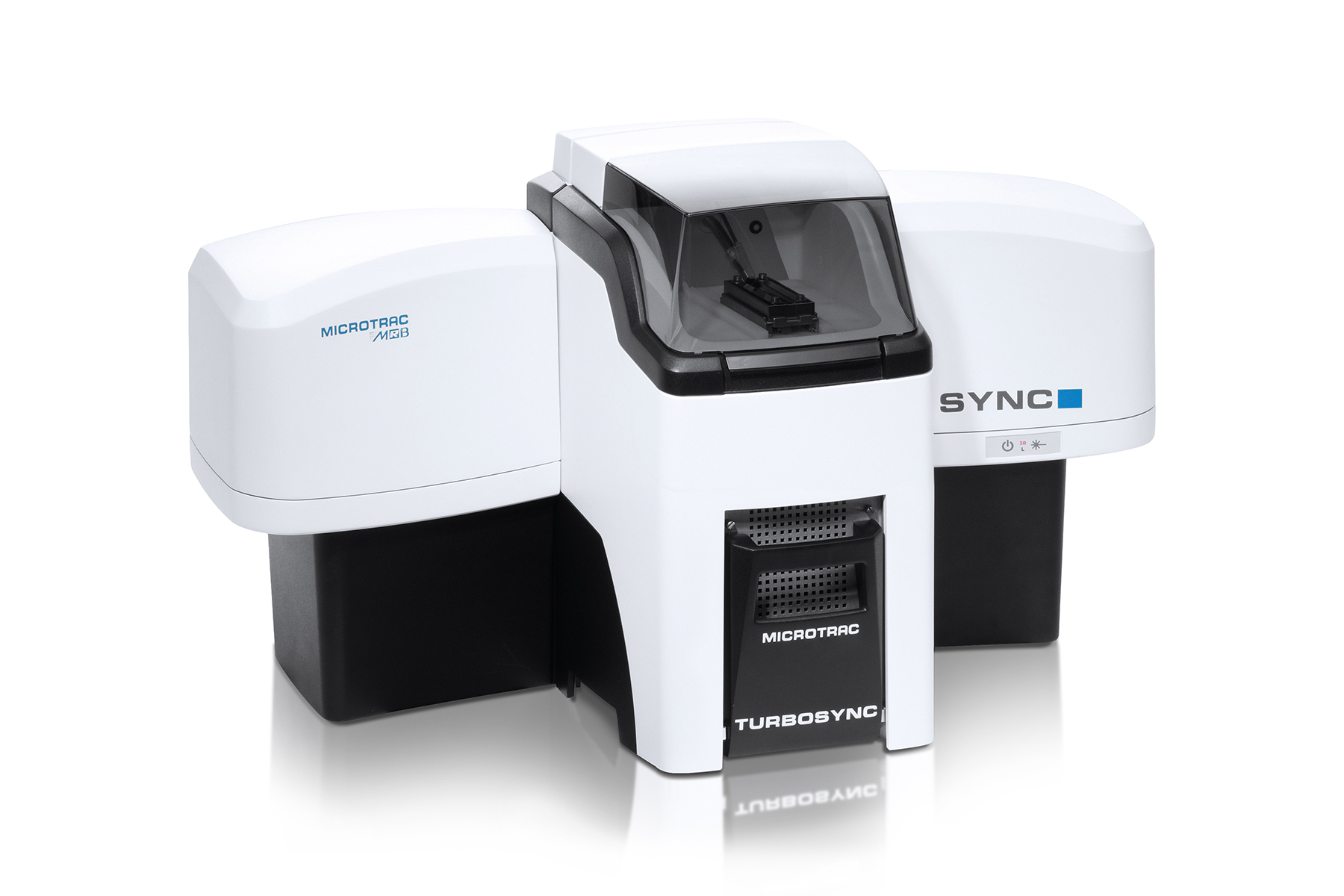
MICROTRAC SYNC 平台在设计时考虑到了这种多样性。它适应不同的应用、工作流程和用户需求 — — 提供精确的颗粒表征,而不会妥协。
- 采用专利的三激光技术的激光衍射
- 用于高分辨率数据的广角检测(0–165°)
- 用于衍射和图像分析的组合平台 无缝湿式和干式测量紧凑、节省空间的设计
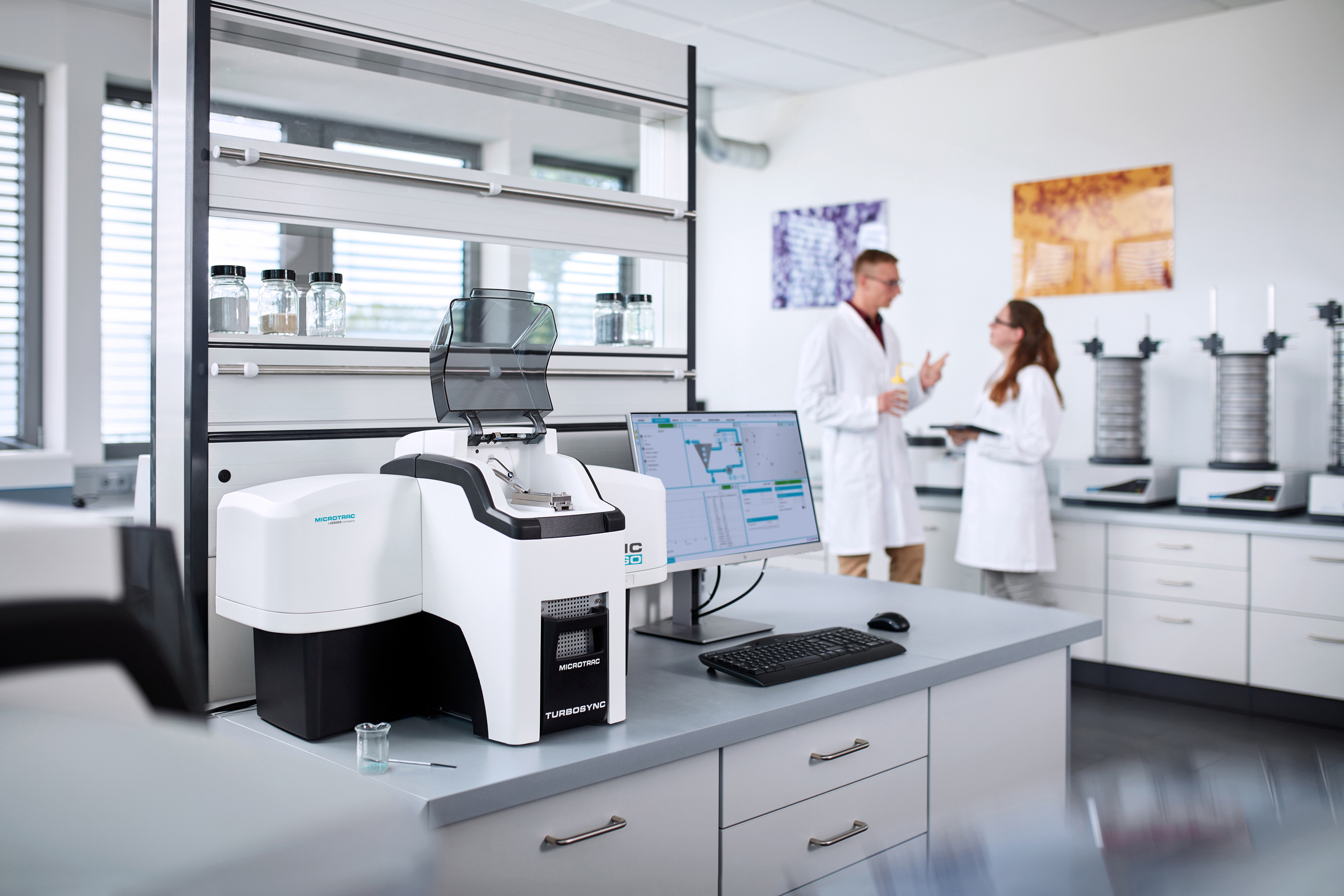

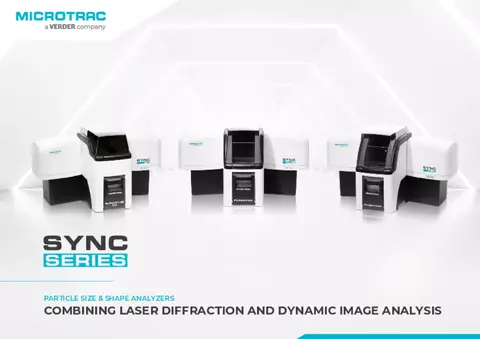
一个平台,三个性能级别 查找适合您实验室的 SYNC

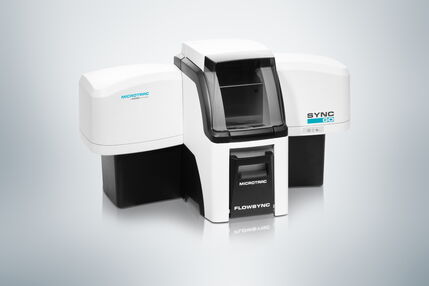
简单、灵活、经济高效的粒度分析
- 0.1 - 2000 µm
- 手动样品分散
- 3个红色激光器
- 可升级,可成像和自动采样
- Dry range: 0.1 - 2000 µm
- Wet range: 0.1 - 2000 µm
- 3 red lasers
- 相机:可选

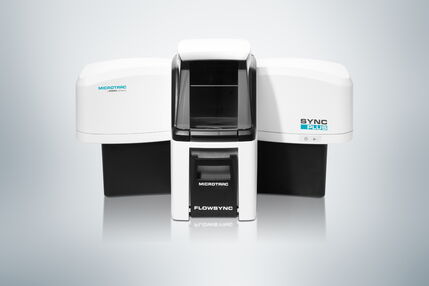
在一个光学工作台中实现粒度和形状的自动化
- 0.02 - 3500 微米(使用摄像机时可达 4000 微米)
- 自动样品分散
- 3个红色激光器
- 支持小体积和敏感样品
- Dry range: 0.1 - 4000 µm
- Wet range: 0.02 - 2800 µm
- 3 red lasers
- 相机:可选

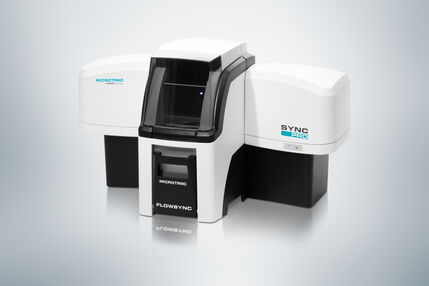
高级性能,具有亚微米精度
- 0.01 - 3500 微米(使用摄像头时可达 4000 微米)
- 自动样品分散
- 1 个红色、2 个蓝色激光器(用于亚微米分析)
- 兼容所有样品处理选项
- 具有人工智能支持的分析的软件
- Dry range: 0.1 - 4000 µm
- Wet range: 0.01 - 2800 µm
- 1 red, 2 blue lasers (for submicron analysis)
- 相机:可选
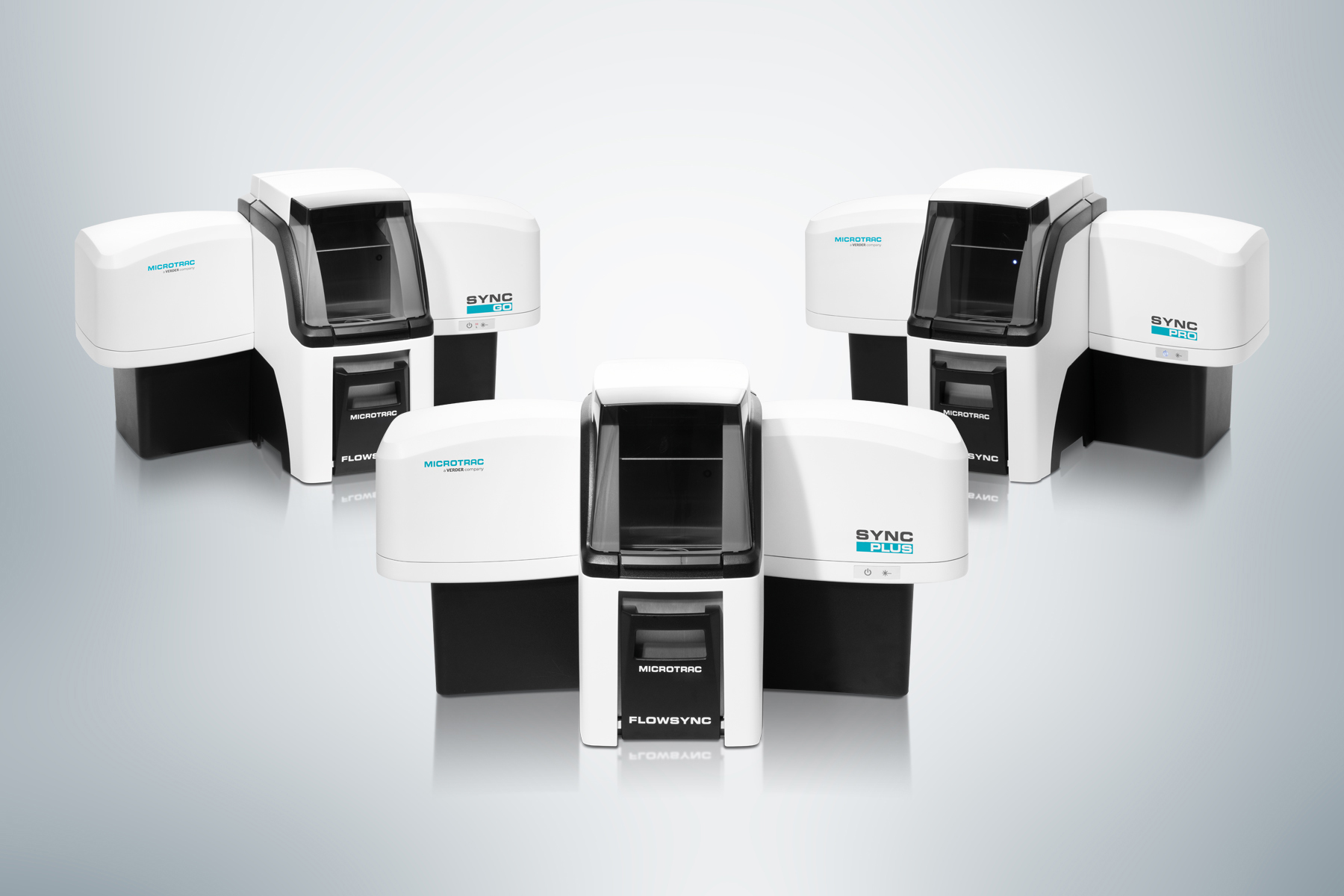
粒度和粒形分析器 SYNC系列 行业领先的技术
MICROTRAC 在激光衍射和动态成像方面的专业知识为开发先进的、行业领先的颗粒表征解决方案奠定了坚实的基础。
- 基於弗朗霍夫與米氏理論的雷射衍射法,符合 ISO 13320:2020 及 ISO 13322-2 標準
- 测量范围:0.01 - 4000 µm
- 专利三激光系统,检测范围可达 165°
- 多波长激光(760 nm 红色,405 nm 蓝色) , 用于亚微米灵敏度
- 补偿球形和不规则透明颗粒
- 狭窄分布和多模态分布的精确分辨率 <>检测微量过大和过小颗粒<>同步测量+ BLEND分析,用于尺寸和 30+形状参数快速结果,在 内快速改变模块(湿/干、手动/自动),符合 FDA 21 CFR Part 11/li>
粒度和粒形分析器 SYNC系列 订货信息及配件
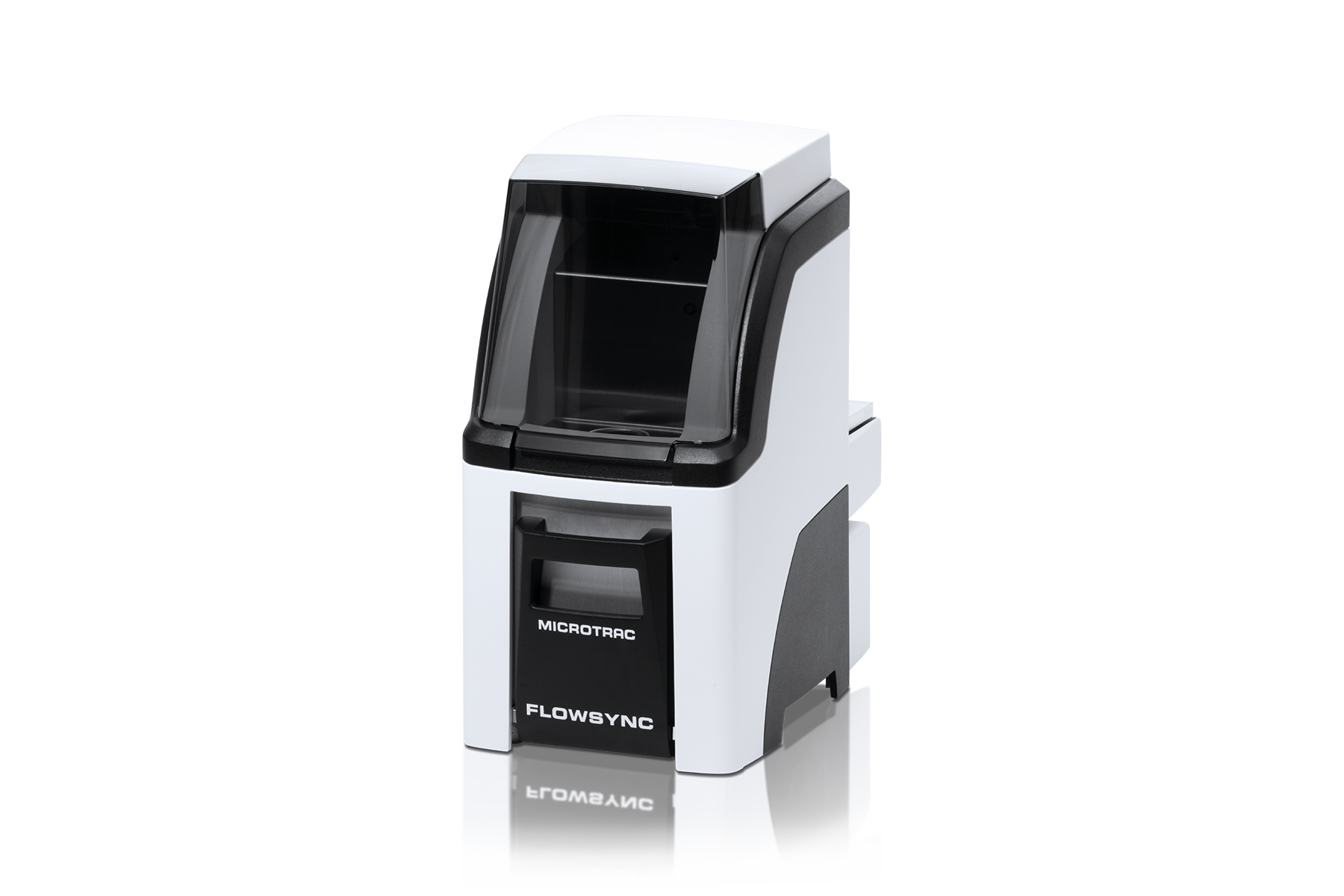
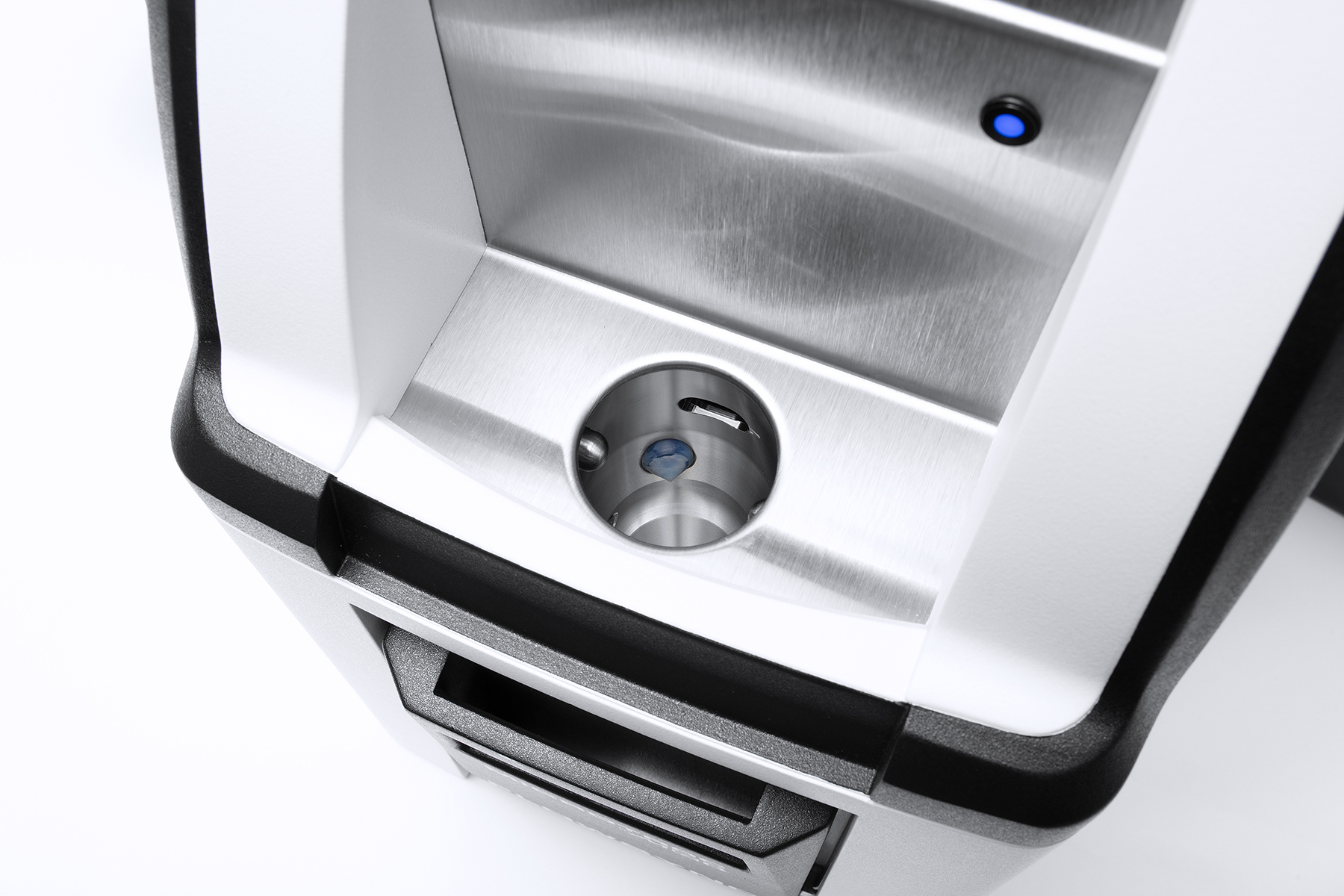
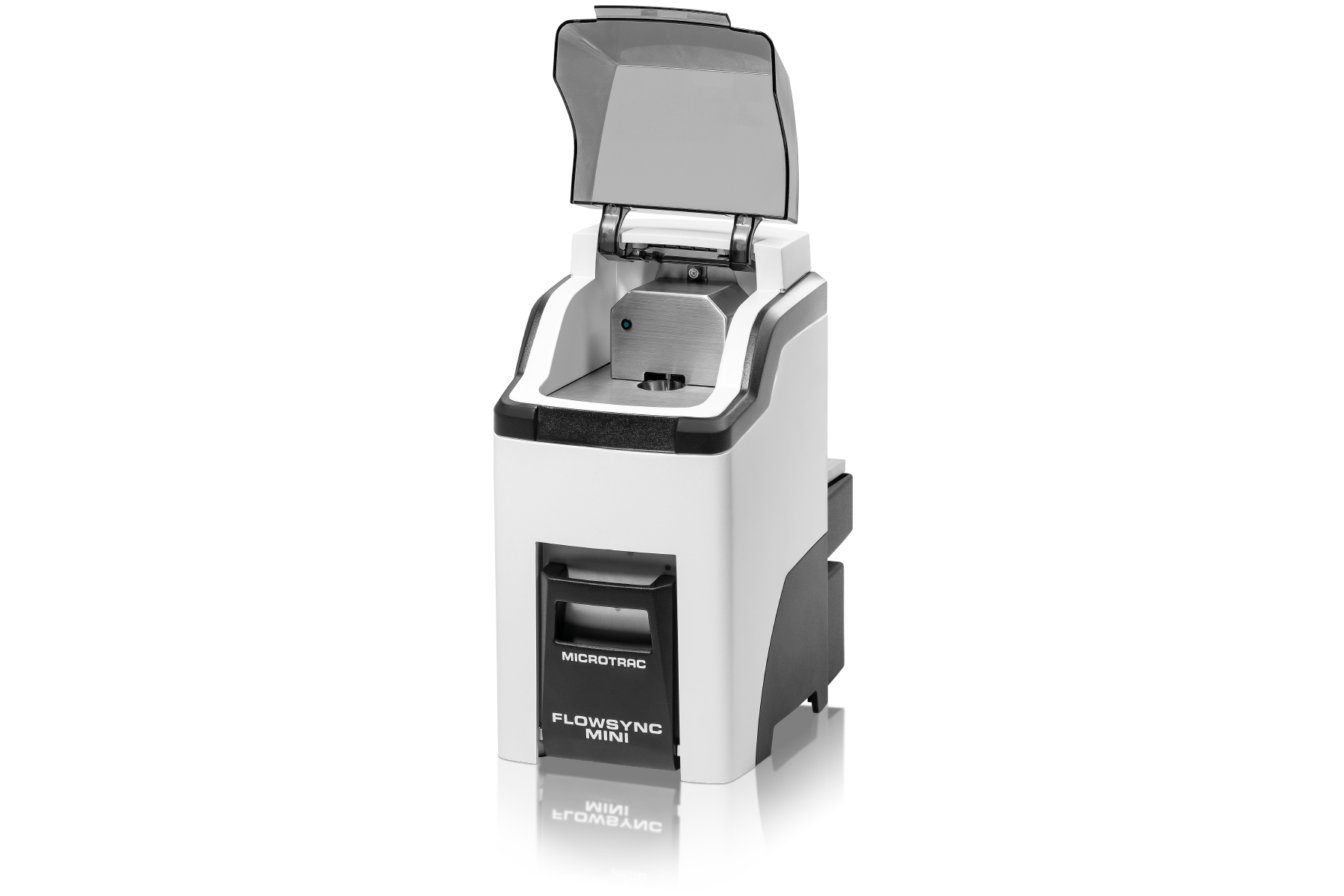
FLOWSYNC & FLOWSYNC MINI 用于湿法测量的样品分散装置
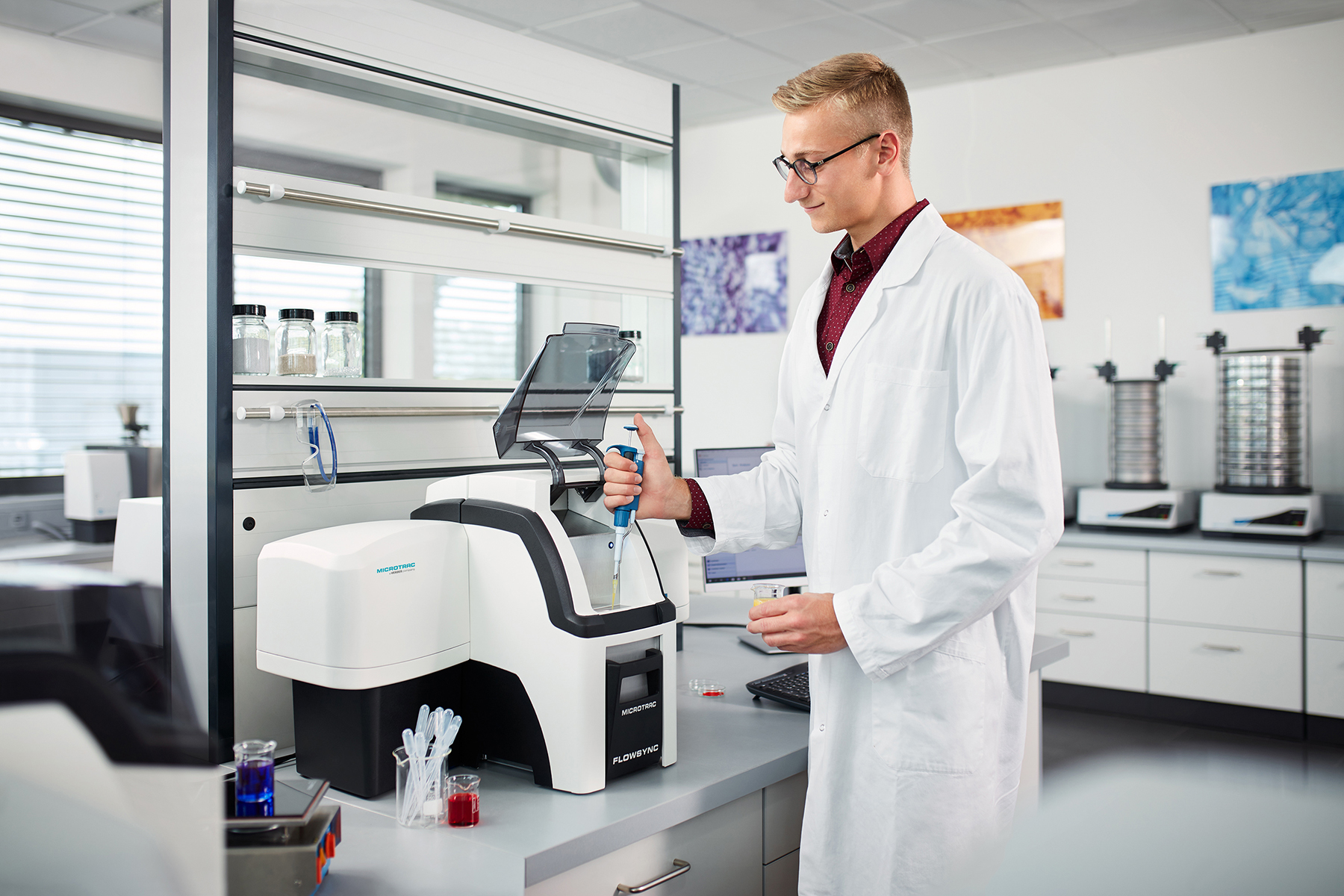
FLOWSYNC 型号的自动填充、脱气、预循环和循环作意味着每个样品的处理都具有一致性,从而提高了粒度分布和成像数据的可重复性。FLOWSYNC 的体积为 200 ml,FLOWSYNC MINI 的体积为 40 ml。
一致性:只有 FLOWSYNC 具有可变功率的在线超声波探头。它分散团聚材料,以确保测量过程中样品分散一致。
多功能性:用户可以编程、保存和调用无限的 SOP 程序,用于填充、分散、测量、冲洗和运行命令。
连接性:集成的填充泵允许用户连接任何水或溶剂源。再循环器自动填充、脱气和稀释。
自动分散:FLOWSYNC / FLOWSYNC MINI 的流体动力学具有内置湍流功能,可确保所有颗粒在系统内不断移动,无需外部搅拌器。
电阻性:FLOWSYNC / FLOWSYNC MINI 可以使用各种载液进行作。除水和酒精外,还包括己烷或甲苯等有机溶剂。
自清洁:清洗功能可确保在冲洗周期内彻底清洁样品容器壁。这消除了从一个样品到下一个样品的交叉污染。
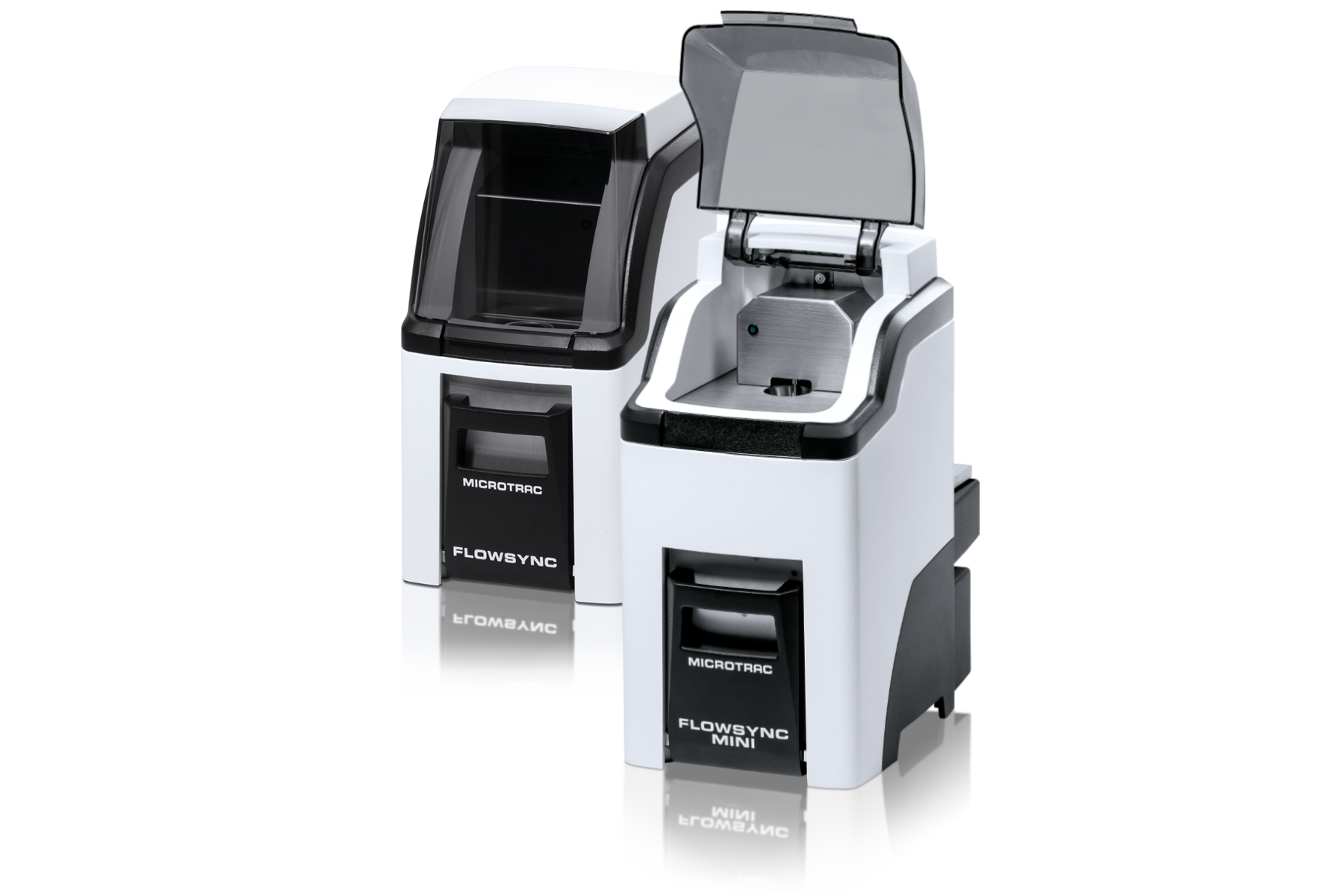
FLOWSYNC GO 样品处理变得简单
FLOWSYNC GO 是一款手动湿分散单元,专为简单、一致的粒度测量而设计。它将用户控制的样品处理与软件引导的操作相结合,以获得可靠且可重复的结果。
主要优点
- 手动灌装具有软件控制的流量、速度和排水
- 一致的循环,以提高测量重复性
- 可调节的 SOP 设置,以优化测量条件
- 兼容动态图像分析和 BLEND 技术
- 与所有 SYNC 平台无缝集成
- 内置湍流,无需搅拌即可实现有效分散
- 支持多种溶剂,包括有机物
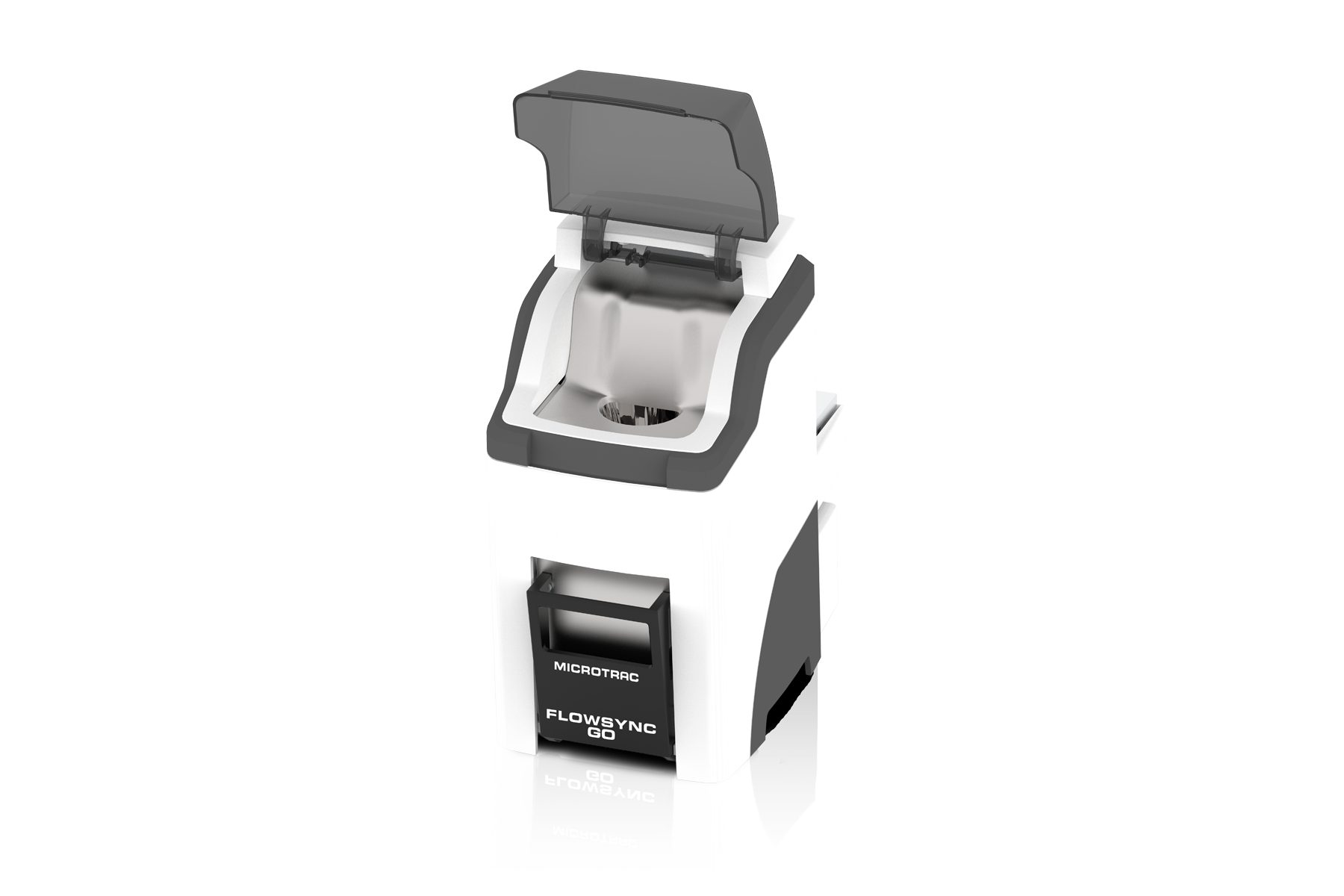
完全适配SYNC湿法分析的微量池单元(SVC) 专为微量样本或珍稀样本的测试应用而设计
當樣品材料數量有限、珍貴或具危險性時,小容量細胞(SVC)可進行精確的顆粒分析。它非常适合于在不影响测量质量的情况下最大限度地减少材料用量的应用。
主要优点
- 最小样品体积可降至8毫升
- 安全处理有毒或高价值材料
- 集成搅拌,实现稳定准确的分散
- 0.01 - 500 微米范围(取决于密度)
- 耐化学腐蚀设计(不锈钢、石英、特氟隆)
- 易于与FLOWSYNC系统集成
- SmartCell ID,用于自动识别和设置
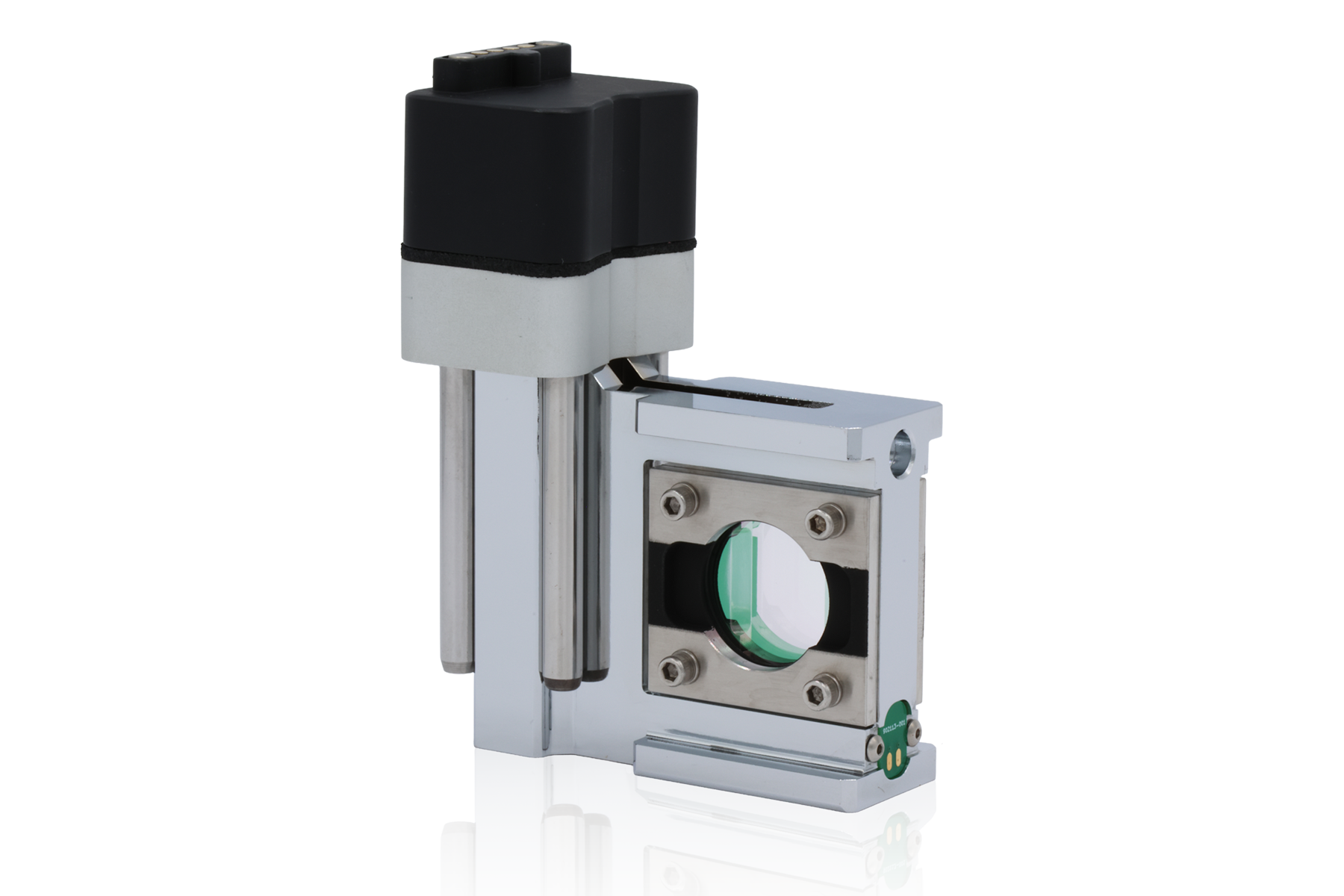
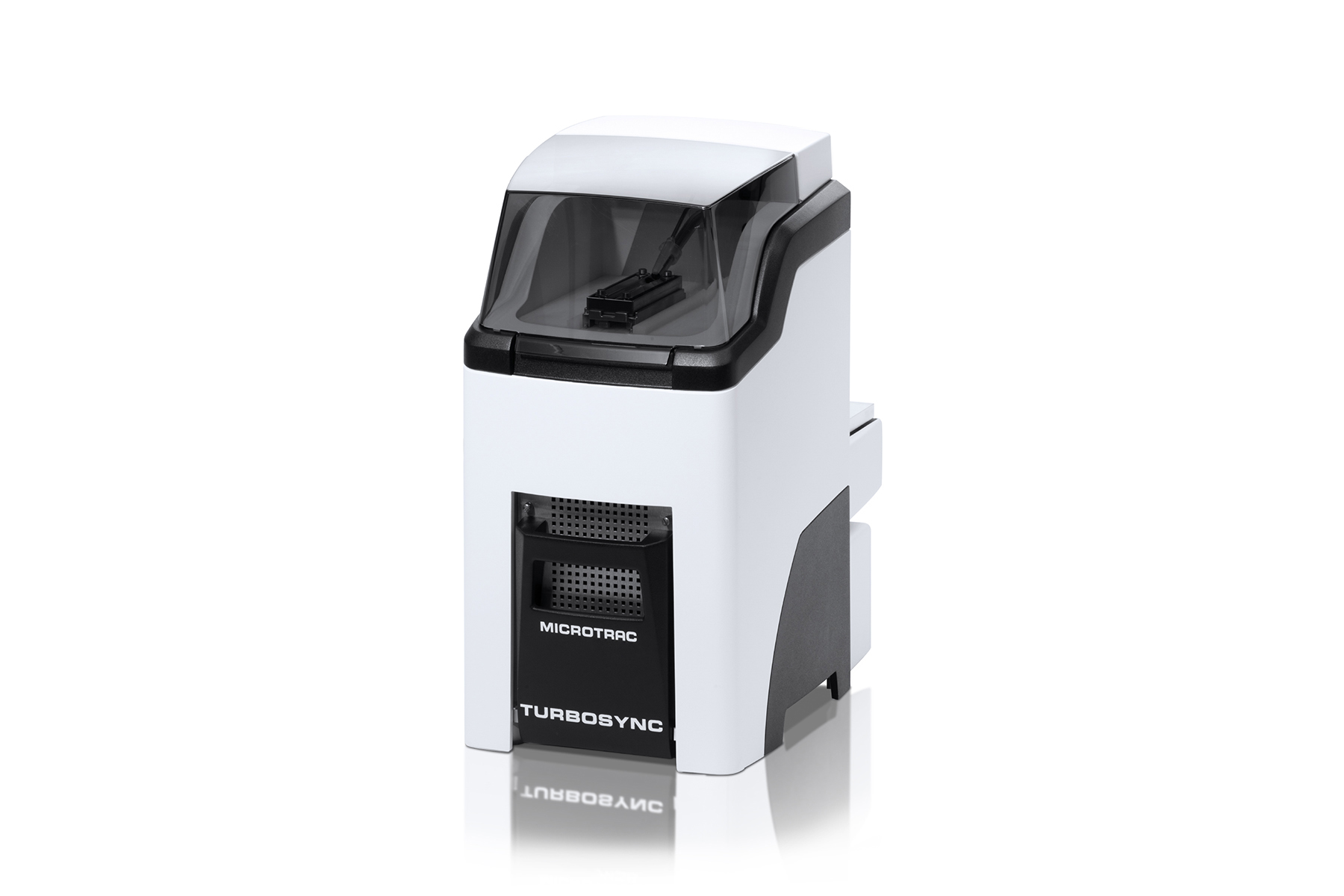
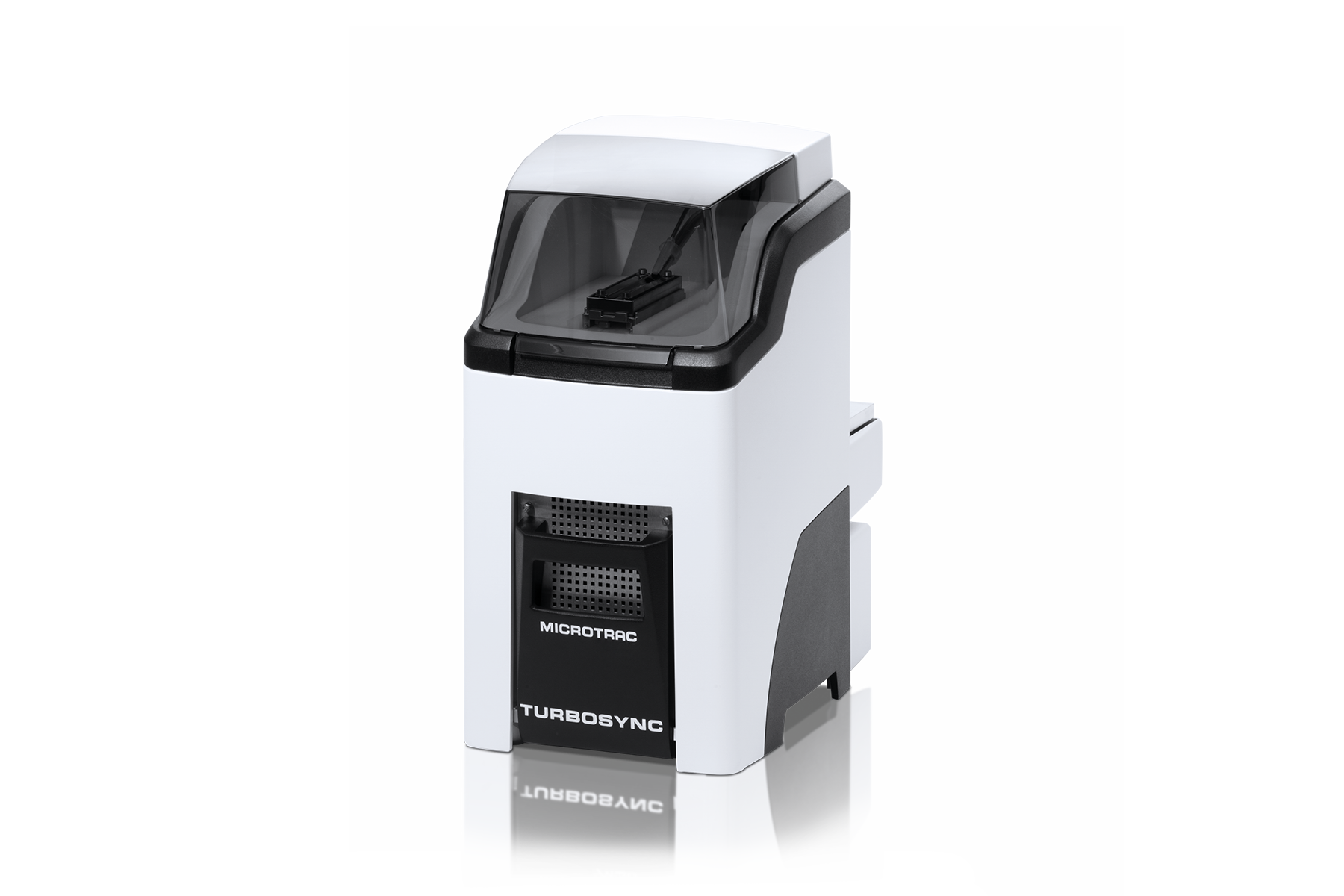
TURBOSYNC 干法测试分散模块
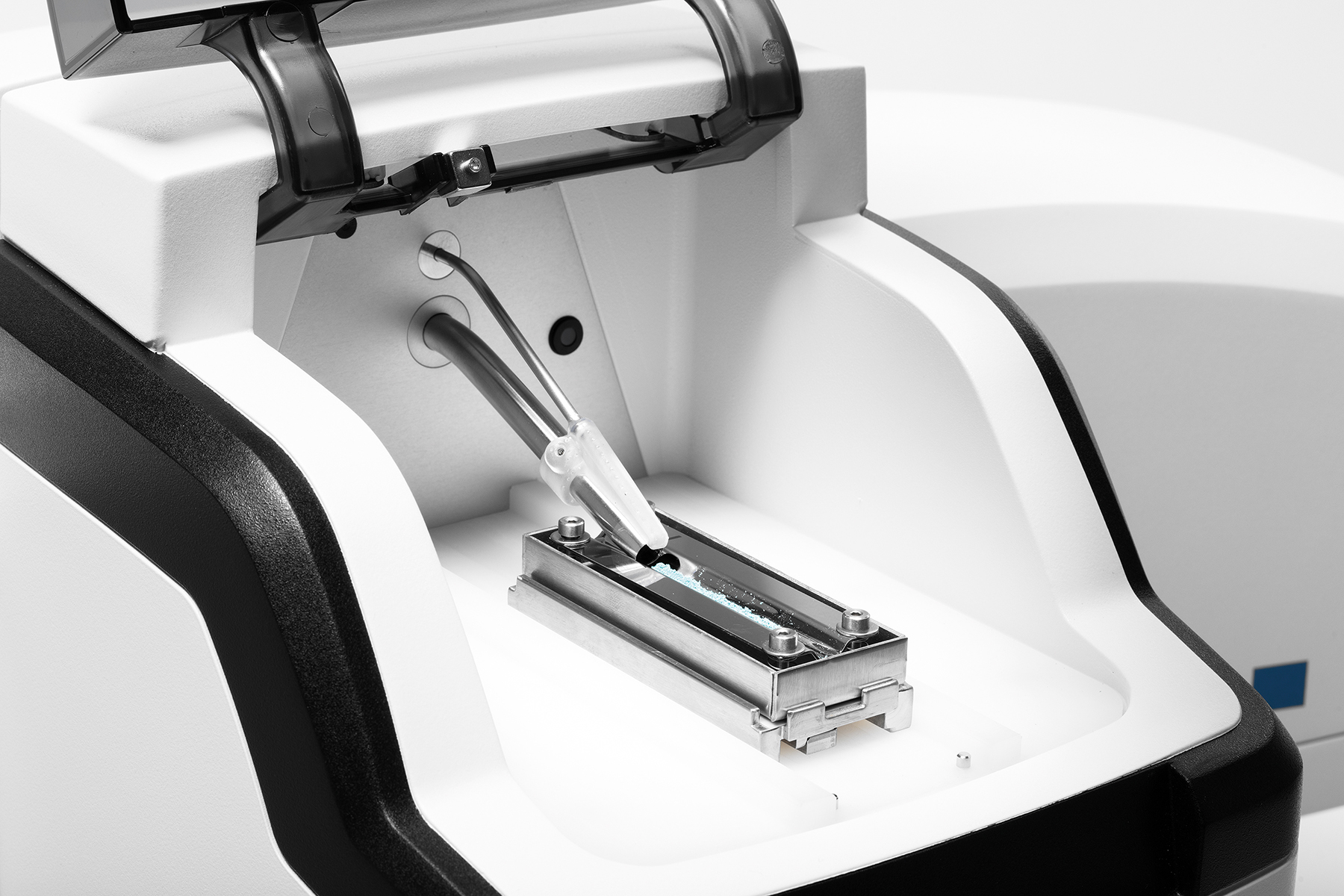
TURBOSYNC 模块确保可靠的干分散体,可进行一致和可重复的粒度分析。粉末样品通过移动托盘引入,可在各种材料上进行可控和可重复的测量。
主要优点
- 可控分散体,可调节气压高达 50 psi (345 kPa)
- 针对所有材料进行了优化,从团聚粉末到易碎粉末
- 处理极小的样品,可降至 0.1 cm³
- 通过可移动和可组合托盘支持更大的体积
- 通过 FLEX 软件进行自动测量
- 快速分析时间通常为 10 - 40 秒
- 样品和仪器的高重复性
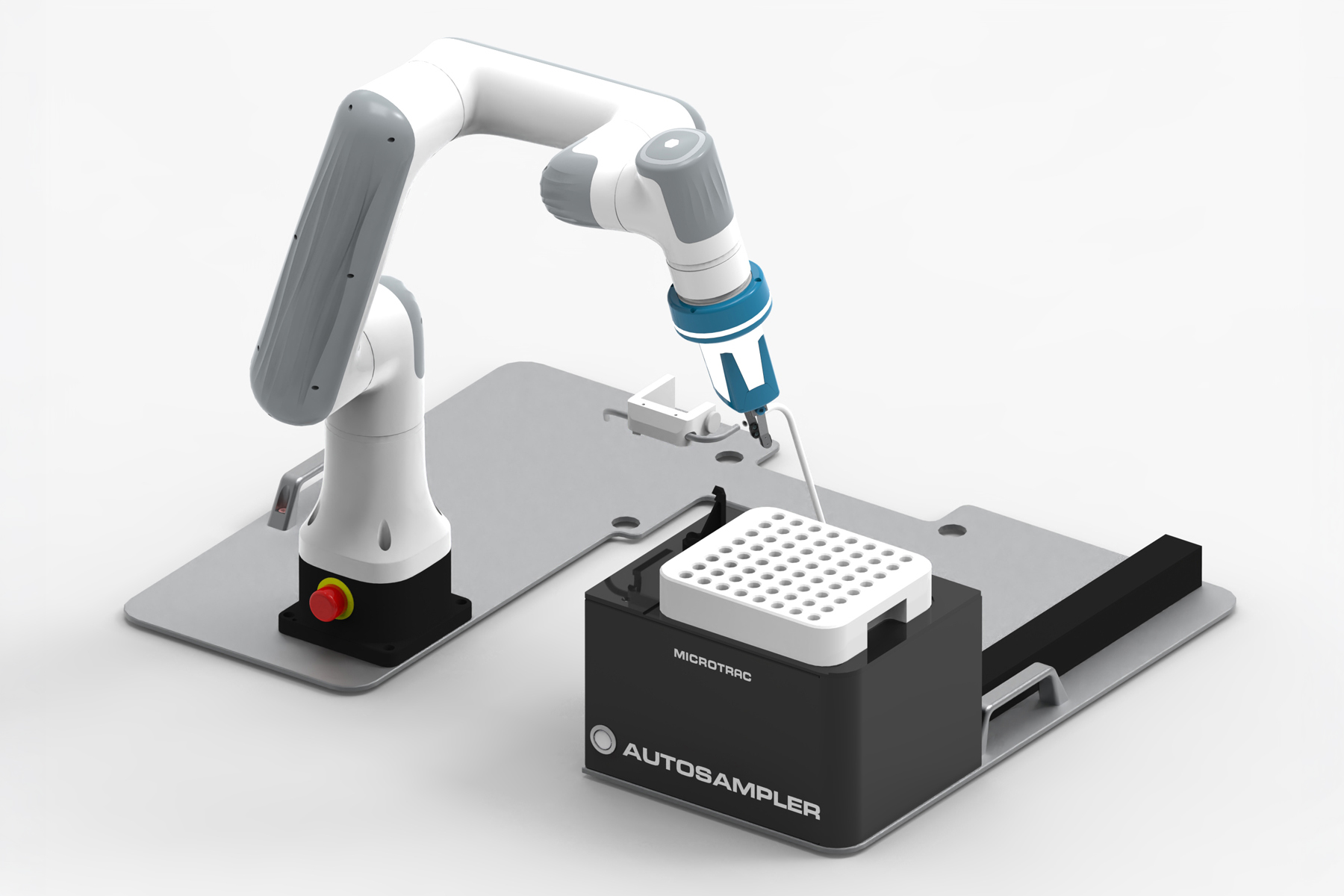
自动取样器 用于颗粒分析的实验室自动化
MICROTRAC 的自動進樣器可與 SYNC 分析儀及自動化 FLOWSYNC 系統無縫整合,實現自動粒子尺寸分析。
主要优点
- 通过 DIMENSIONS LS 软件实现多达 64 个样品瓶的自动样品处理
- 灵活的方法设置(流速、运行时间、折射率、冲洗周期)
- 条形码识别,实现可靠的样品跟踪
- 使用带有紧急停止的可编程协作臂完成样品转移
- 序列启动后完全无人值守操作 高重现性,样品输送一致
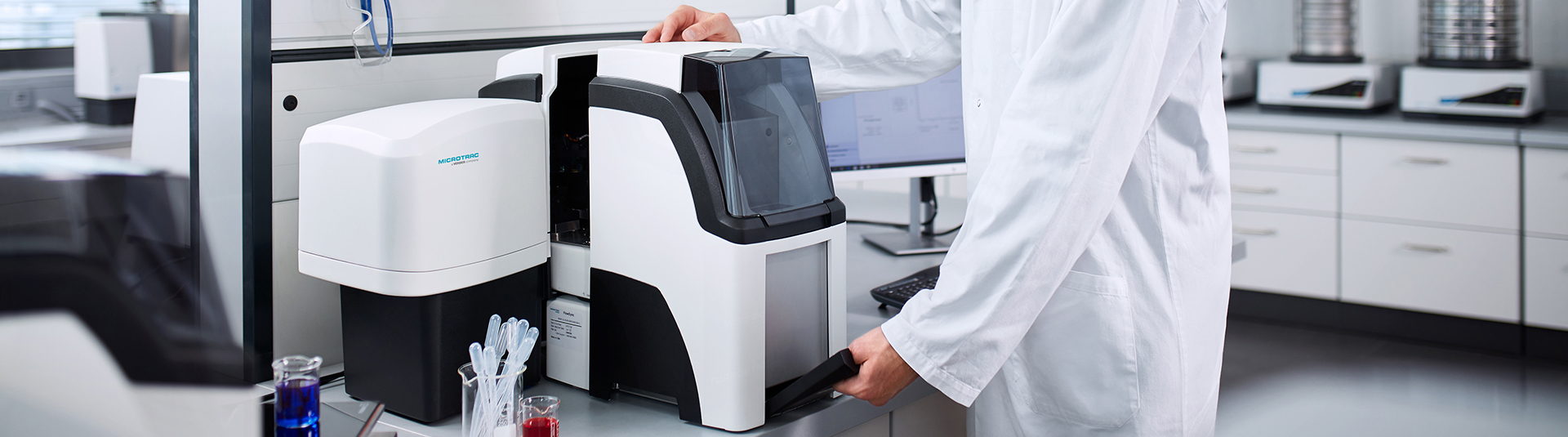
连接&模块化 干湿模块之间的切换
>
/>
/> >
/>
/> /> />
/> /> > / > /> > / > / > > / > / > / > >
/> /> > > / > > > / > / > > / > > / > / > > >
/ /> > > / > > / > > / > > / / > / > > / > > / > / > > / > / > > / > > / > > / > > / > > / > / > > / > / > > / > > > > > / > > > / > > / > > > / > > >
粒度和粒形分析器 SYNC系列 专利的三激光系统
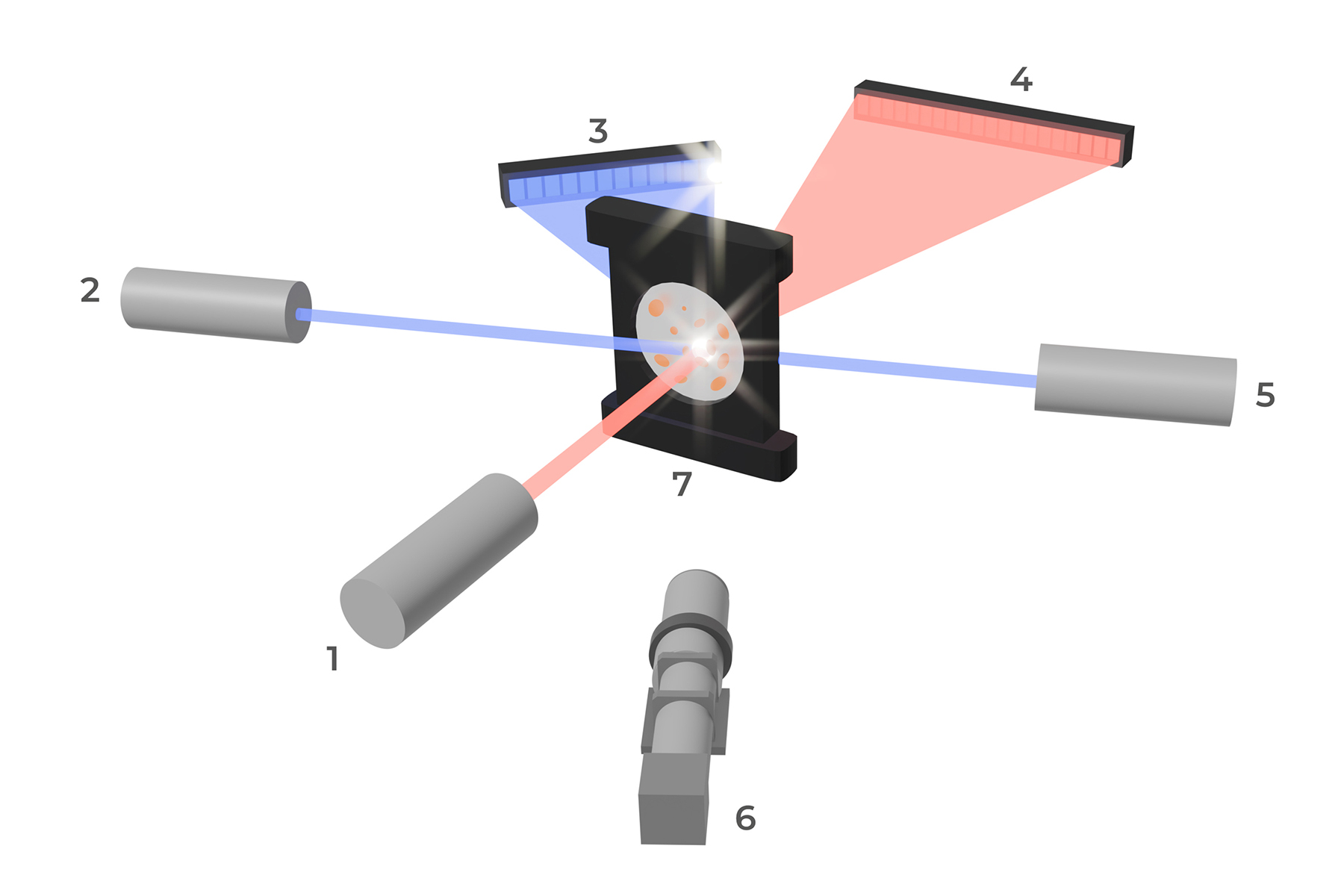
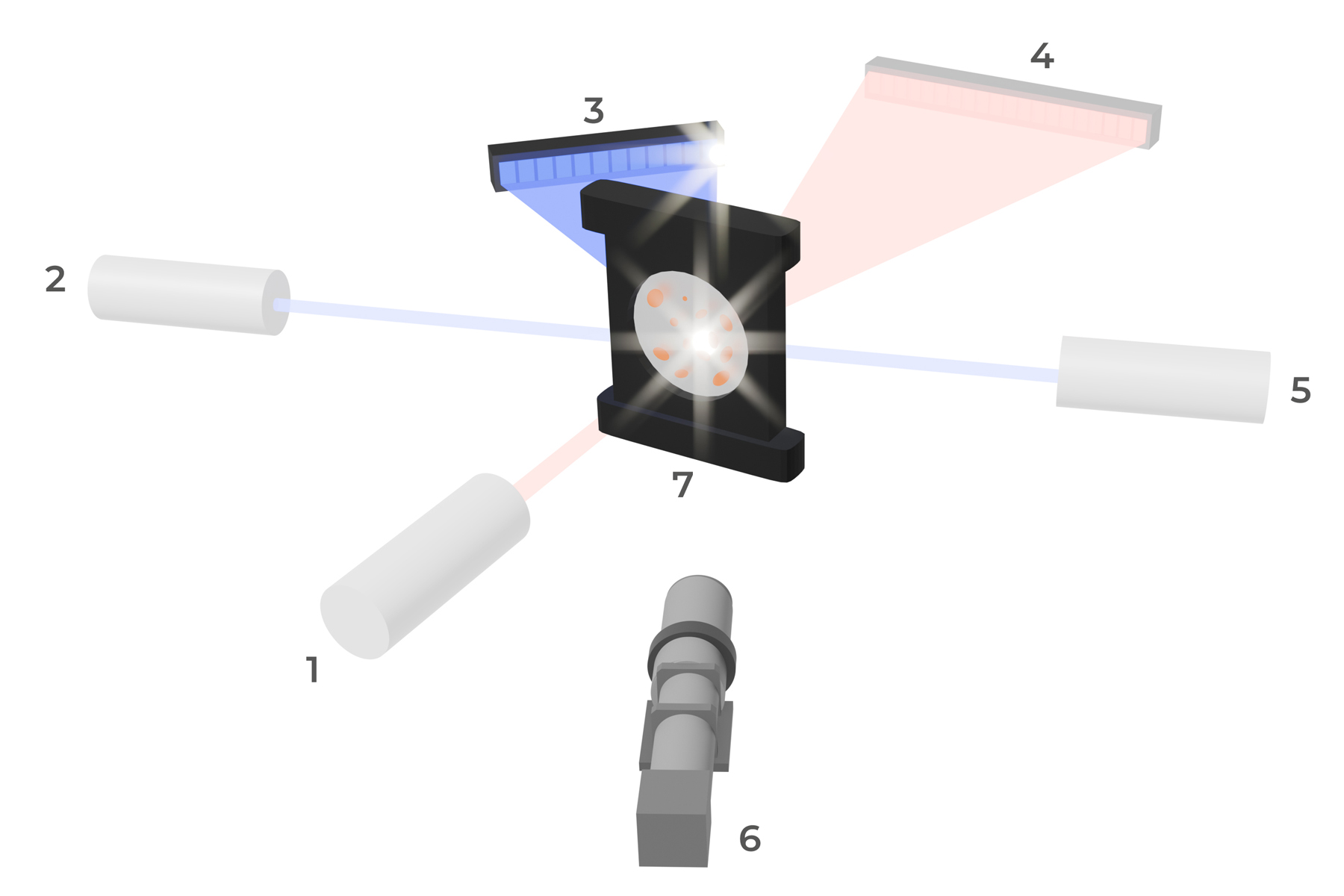
激光衍射 (LD) 是研究和质量控制中粒度分析的既定标准。分散的样品由激光照射,然后根据所得散射模式计算粒度分布。MICROTRAC 系统使用双检测器和三激光设置,使用红色和可选的蓝色激光器,测量广角范围(0–165°)的散射光。较小颗粒以较大角度散射,较大颗粒以较小角度散射,强度连续捕获。使用修正的 Mie 理论,该系统为球形和非球形颗粒以及透明和吸收材料提供准确的结果。
1. 激光器#1(红色)2. 激光器#2(红色或蓝色)3. 高角度探测器4. 正向探测器5. 激光器#3(红色或蓝色)6. 高分辨率摄像机7. 样品池
新机会 综合动态图像分析
粒子表征不再局限于大小。动态图像分析(DIA)增加了对粒子形状和形态的详细洞察,揭示了激光衍射结果中可能不会出现的差异,但可以显著影响性能。流动流中的粒子被频闪光照亮,并被高速摄像机捕获,从而生成连续的图像数据集。每个粒子计算了超过30个大小和形状参数,借助强大的软件工具,能够以散射图等格式对特定粒子群进行过滤、可视化和评估。
1. 激光器#1(红色)2. 激光器#2(红色或蓝色)3. 高角度探测器4. 正向探测器5. 激光器#3(红色或蓝色)6. 高分辨率摄像机7. 样品池
两种模式组合提供了最佳性能 激光衍射与动态图像分析相结合
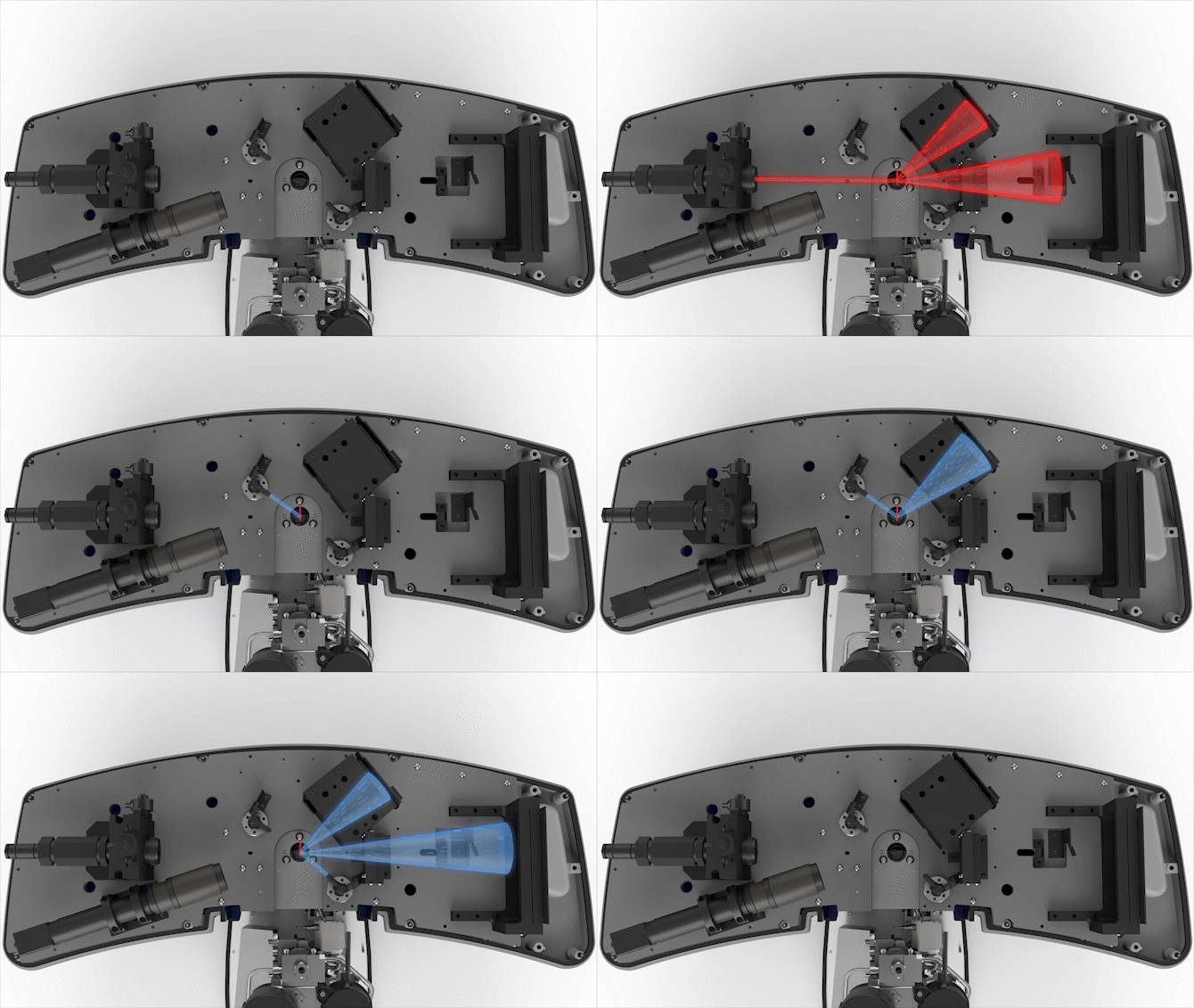
MICROTRAC SYNC平台在一个测量中结合了激光衍射和动态影像分析,可同时获取颗粒尺寸和形状信息。其三激光技术确保了准确、可重复的结果,而集成成像功能则为湿法和干法测量提供了关于形态和分散质量的额外洞察。
当颗粒通过测量单元时,它们被激光分析并同时成像。这使得可以从大型图像数据集中评估整体颗粒尺寸分布和单个颗粒。借助专利的BLEND功能,用户可以分析或合并这两个数据集,支持可靠的质量控制和先进的材料表征。
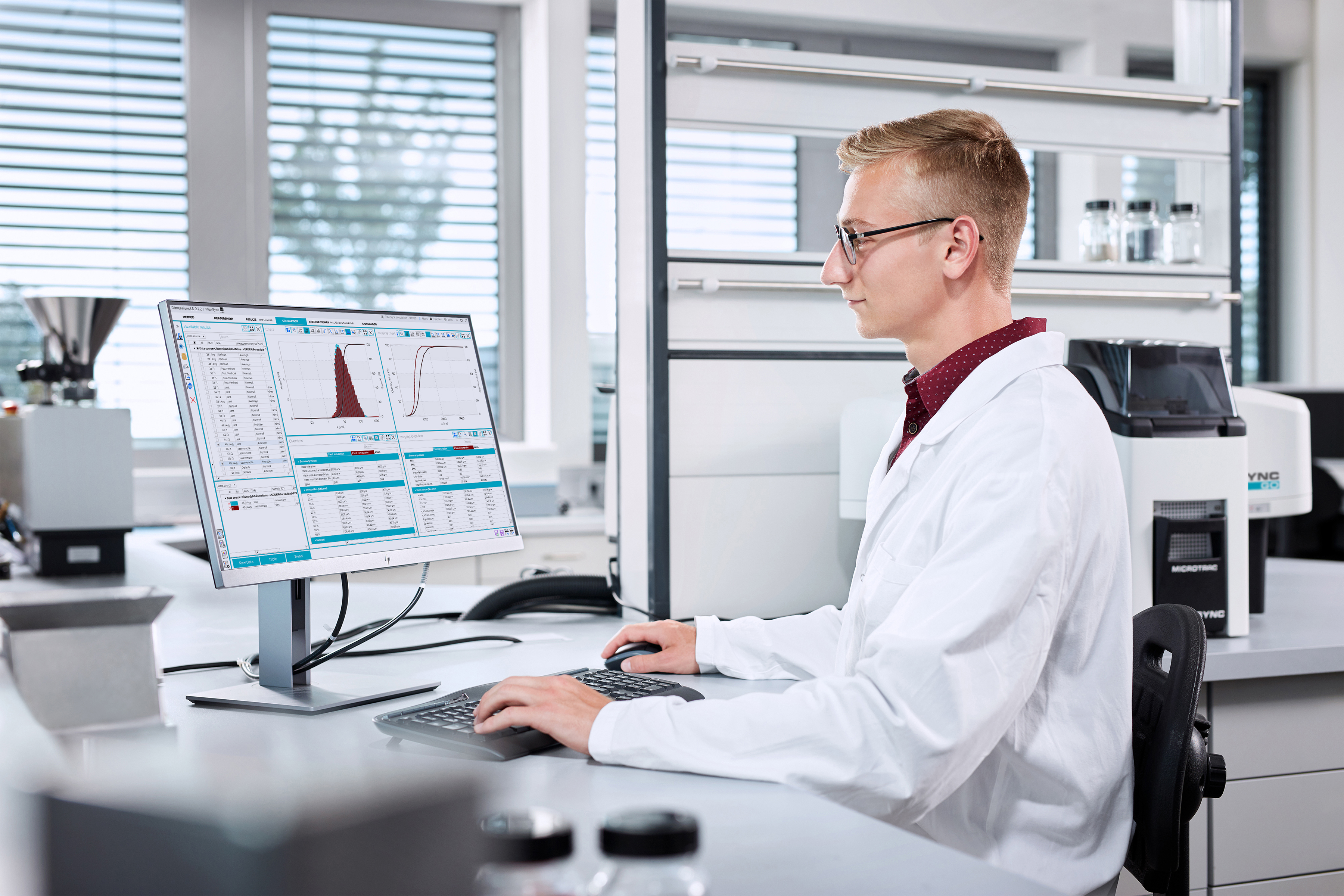
只需点击几下即可直观使用 用于同步的 LS 尺寸
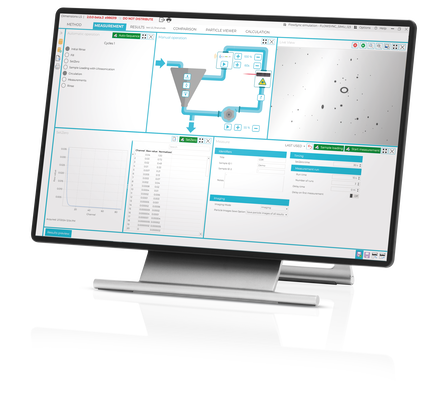
DIMENSIONS LS 软件包括六个结构清晰的工作区,用于方法开发、SYNC 仪器作、结果展示和多项分析评估。用于结果评估的工作区在分析期间仍可访问。
- 简单的方法开发
- 结构清晰的结果显示
- 各种评估选项
- 直观的工作流程
- 简单的数据导出
- 多用户功能
粒度和粒形分析器 SYNC系列 每个行业理想解决方案
激光衍射是一种在研究和工业中广泛使用的通用方法。MICROTRAC 粒子分析仪的设计具有直观的操作、稳健的性能和最少的维护,因此非常适合全天候连续使用。
它的高样品通量和从纳米到毫米的宽测量范围是它广泛使用的原因。然而,其局限性包括降低大颗粒的分辨率、对超大颗粒的敏感性有限以及没有直接的形状分析。通过将激光衍射与图像分析相结合,SYNC 粒子分析仪克服了这些差距,提供了更完整的数据并提高整体测量精度。
色素
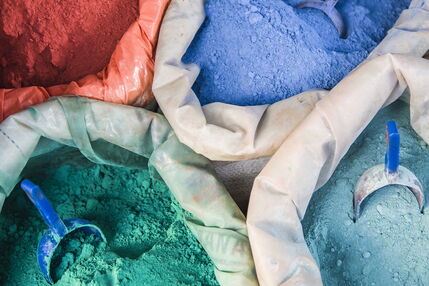
- 油漆 / 色素
- 陶瓷
- 化学试剂
- 工业矿物
- 金属粉末
- 建筑原料
- 化学品
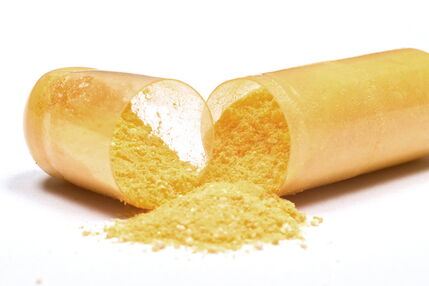
航天舱
- 药品
- 玻璃 / 玻璃珠
- 涂层
- 食物
- 3D打印
- 食品
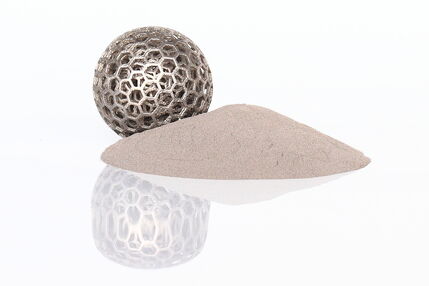
金属粉末
- 乳剂
- 聚合物
- 电池材料
...等等!
若要為您的顆粒特性分析需求找到最佳解決方案,請瀏覽我們的應用資料庫。
可靠的评估:

颗粒分析器 SYNC 技术参数
| 测量范围 | SYNC GO:0.1 - 2000 µm SYNC PLUS:0.02 - 4000 µm SYNC PRO:0.01 - 4000 µm |
|---|---|
| 测量原理 | 激光衍射和动态图像分析 |
| 精确度* | 球形玻璃珠D50 = 642微米,精度为CV = 0.7% 球形玻璃珠D50 = 57微米,精度为CV = 1.0% 球形乳胶珠D50 = 0.4微米,精度为CV = 0.6 |
| 激光等级 | 红色 780 nm,蓝色 405 nm 符合 CFR 1040.10 和 IEC 60825-1 的 1 类激光产品 |
| 激光功率 | 红色激光0.35至2 mW标称值 蓝色激光4-8 mW标称值 |
| 检测系统 | 两个具有对数间隔段的固定光电探测器被放置在正确的角度上,用于从 0 到 165 度检测最佳散射光,使用了 151 个探测器段。 |
| 数据 | 体积,数量和面积分布以及百分位和其他摘要数据 |
| 数据格式 | 以ODBC格式存储在加密的Microsoft Access数据库中,以确保与外部统计软件应用程序兼容。 |
| 数据完整性 | 可以使用符合 FDA 21 CFR Part 11 的安全功能来确保数据完整性,包括密码保护、电子签名和可分配的权限。 |
| 分析类型 | 干法和湿法分析 |
| 测量时间 | 〜10至30秒 |
| 功率要求 | 交流输入。90 - 264 VAC, 47 - 63 Hz, 单相 |
| 耗电量 | 标称功率25瓦,最大50瓦,取决于安装的选项 |
| 环境条件 | 温度。5°到40°C (50°到95°F) 湿度:90% RH, 非冷凝最大值 储存温度:-10°到50°C (14°到122°F) (仅干燥) 污染。2度 |
| 标准 | 激光衍射(ISO 13320) 动态图像分析(ISO 13322-2) 颗粒大小分析结果的表述(ISO 9276-6) |
| 图像分析 | 5.2 兆像素(2560 x 2048),最大分辨率下 60 帧/秒 |
| 湿式操作 | 容积:公称200毫升 流速。0至65毫升/秒(含水) 进口压力:最高50 psig(345 kPa |
| 干式操作 | 100 psi (689 kPa) 最大压力 5 CFM (8.5 m³/h) 在 50 psi (345 kPa) 最小流量 无干燥污染物、水分和油 |
| 真空要求 | 真空必须达到或超过 50 CFM (85 m³/h) |
| 采用材料规格 | 材料:抗冲击塑料 外部表面涂有耐腐蚀漆或电镀层 化学兼容性:I 类 |
| 设备尺寸(宽x高x深) | ~ 820 x 460 x 500 毫米(32.3 x 18.1 x 19.7 英寸) |
| 重量 (测量单元) | FlowSync:19.5公斤(43磅) TurboSync:13.6公斤(30磅) Sync:23.6公斤(50.8磅)。 |